


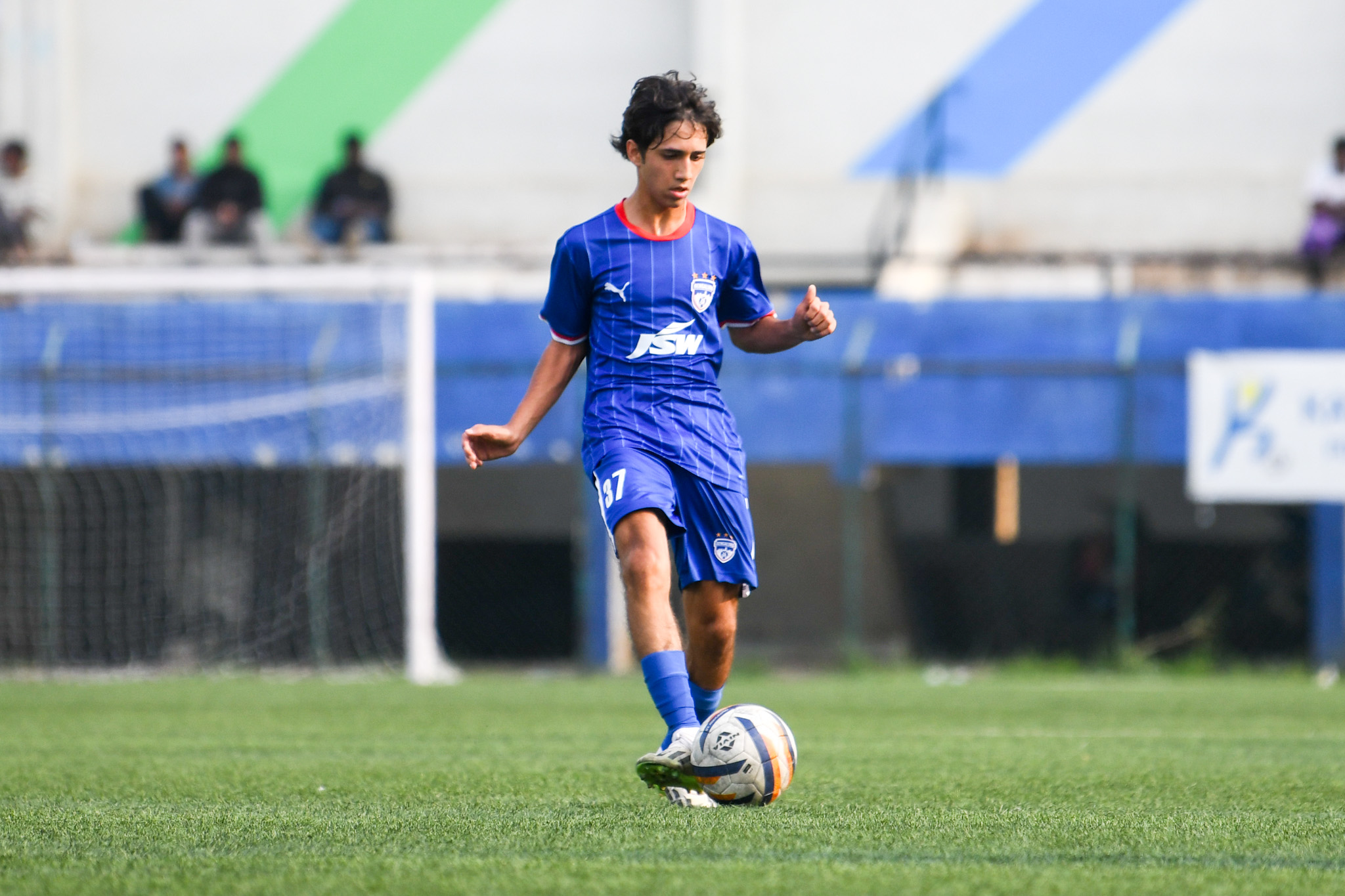
20/02/2026
How ISL Changed the Game for Young Indian Football Players
The problem with Indian football was never a lack of talent. It was the absence of structured platforms to nurture it. For years, there was no answer to this problem, but after the inception of ISL in 2014, a structured pathway finally emerged.
In this blog, we’ll see how ISL connected the dots between grassroots academies and professional clubs and what this new structure means for the future of young Indian football players.
Before ISL: When Indian Football Had Talent But No Future
Back then, parents of talented young footballers had hope – but very little clarity about what lay ahead. Yes, there were district or state tournaments happening, but there wasn’t a structured pathway that connected grassroots football academies to professional clubs. And unless your child was incredibly lucky or you knew someone in I-League circles, building a football career felt impossible. But the lack of a pathway was only part of the problem.
- Broken Infrastructure: The training environments weren’t built for serious development. Most facilities were outdated and not designed with long-term player growth in mind. On top of it, qualified coaches were hard to find, and the few who were available were often stretched thin across multiple clubs to make ends meet. What’s more? If you lived outside football-strong states like Goa or Kerala, even finding basic coaching was a challenge.
- No Career Stability: Even if your child had talent, even if they trained every single day and outplayed everyone at the district level, there was no income stream for young players. Professional contracts didn’t exist. Scholarships were rare and reserved for a handful of players across the entire country. So most parents did what any practical parent would do: they steered their kids towards academics to actually secure their future.
- Emotional Fallout: Parents watched their kids pour everything into football, only to realise the dream might lead nowhere. The guilt of investing time, energy, and money into something with no guaranteed future weighed heavily on them. At the same time, children felt the growing pressure to choose between passion and practicality. They loved the game, but the uncertainty around opportunities slowly drained their motivation to keep playing.
This was the state of youth football for years, until October 2014 brought a turning point that reshaped what the future could look like for young Indian football players.
How ISL Created a Clear Pathway for Young Indian Footballers
When ISL launched in 2014, on the surface, it was entertainment. But behind the scenes, the league was building something Indian football had never had: a system connecting grassroots training to professional careers. Three decisions played a crucial role in building this pathway.
- Youth Development Became Mandatory: Grassroots programs became a non-negotiable requirement for ISL franchise owners. This marked the beginning of systematic youth development in Indian football. By 2021, the requirements became more specific: squads were required to include at least four development players, with seven Indian players on the field at all times. As a result, clubs were pushed to build academies, scout talent within their own states, and invest in homegrown players instead of relying on established names or foreign players.
- Reliance Foundation Development League: The missing piece in Indian football was competitive game time for young players. In 2022, RFDL filled that gap and became India’s largest U-21 tournament. Over 60 teams now play 350+ matches across 9 regions every season, giving players 20+ professional-level games per year. This volume of competitive football gave deserving youths a platform to prove themselves in front of scouts actively searching for breakthrough talent.
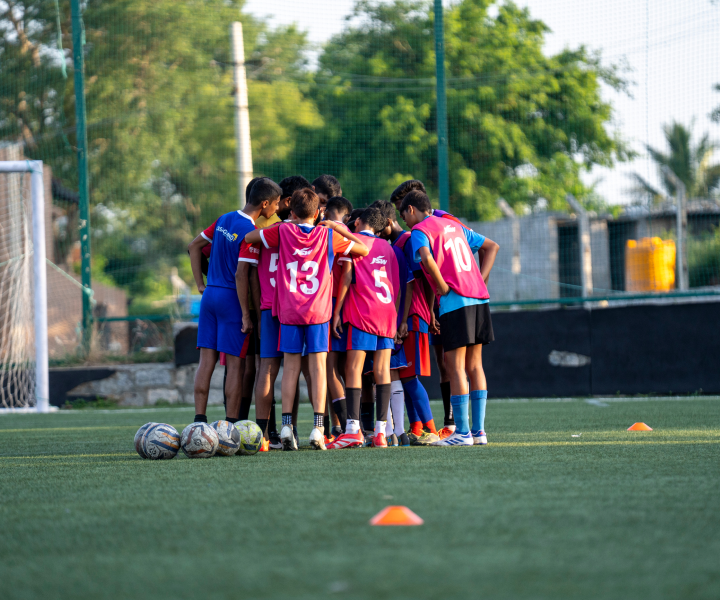
- Infrastructure Revolution: ISL clubs started building proper football training facilities with sports science experts, mental health support, and qualified coaching staff. Take BFC Soccer Schools, for example. We brought in nutrition experts like Khushi Jaiswal from Inspire Institute of Sport to teach young players how to fuel for match day, and built structured youth academy programs that prepared them for the demands of first-team football.
Football in India was finally getting the professional treatment it deserved. But ISL didn’t stop there. They partnered with the Premier League to create the Next Gen Cup, a tournament that gave top RFDL teams the chance to compete directly against youth academies from clubs like Chelsea, Leicester City, and West Ham. Indian youth players weren’t just watching European football on screens anymore. They were on the same pitch as the academies that produce England’s professional footballers. Before ISL, this kind of exposure didn’t exist.
Recommended Reading:
Before entering competitive environments like these, parents should understand the signs of readiness that indicate their child is prepared for this level.
How Your Child Can Actually Pursue Professional Football in 2026
So what does all of this mean for your child in 2026?
The pathway from grassroots to professional football exists now. If your child starts training between the ages of 5 and 16 with structured football coaching in Bengaluru, Jaipur, or Pune through BFC Soccer Schools, they’re not just learning football. They’re entering a system that connects directly to professional opportunities.
Here’s how that pathway actually works:
- Between 15-21, they compete in RFDL, where over 350 matches happen across 9 regions, and ISL scouts watch for talent.
- By 18-21, professional contracts with ISL clubs become possible based on how they perform.
- After 21, first team positions, national team call-ups, and international opportunities become the next steps.
Is this pathway actually producing results? The answer is an unqualified yes. Brison Fernandes won Emerging Player of the Season at 23. Vinith Venkatesh made his Bengaluru FC debut at 20. Dippendu Biswas earned his spot at Mohun Bagan at 21. They’re all young Indian football players breaking through season after season.
What was once just a game children loved is now becoming a realistic career pathway for young Indian footballers.
Recommended Reading: For talented players, understanding football scholarship opportunities can help ease the financial burden while pursuing professional development.
Conclusion: Football Is Finally a Real Career Path in India
A decade ago, there was no real system to take young footballers from grassroots training to professional contracts. Today, because of the ISL, the old barriers (outdated facilities, a lack of qualified coaches, and almost no competitive opportunities) have gradually been replaced by structured academies and clearer pathways to professional football.
For many young Indian football players, that journey begins at BFC Soccer Schools. Here, we’re not just teaching children how to play football – we’re preparing them for what the system demands at every stage. Whether it’s developing the fundamentals for competitive matches or building the resilience needed for higher-level football, our structured programs in Bengaluru, Jaipur, and Pune give players the foundation they need to progress.
Curious if this is right for your child? Try a free trial class at any of our centres and see the difference structured training makes. If you’re ready to take the next step, reach out to our team today.

Recent Posts
19/05/2026
The ABCD of Receiving the Ball: What Every Young Footballer Needs to Know
01/04/2026
Fear of Tackling in Football: Why It Happens and How to Fix It
26/03/2026
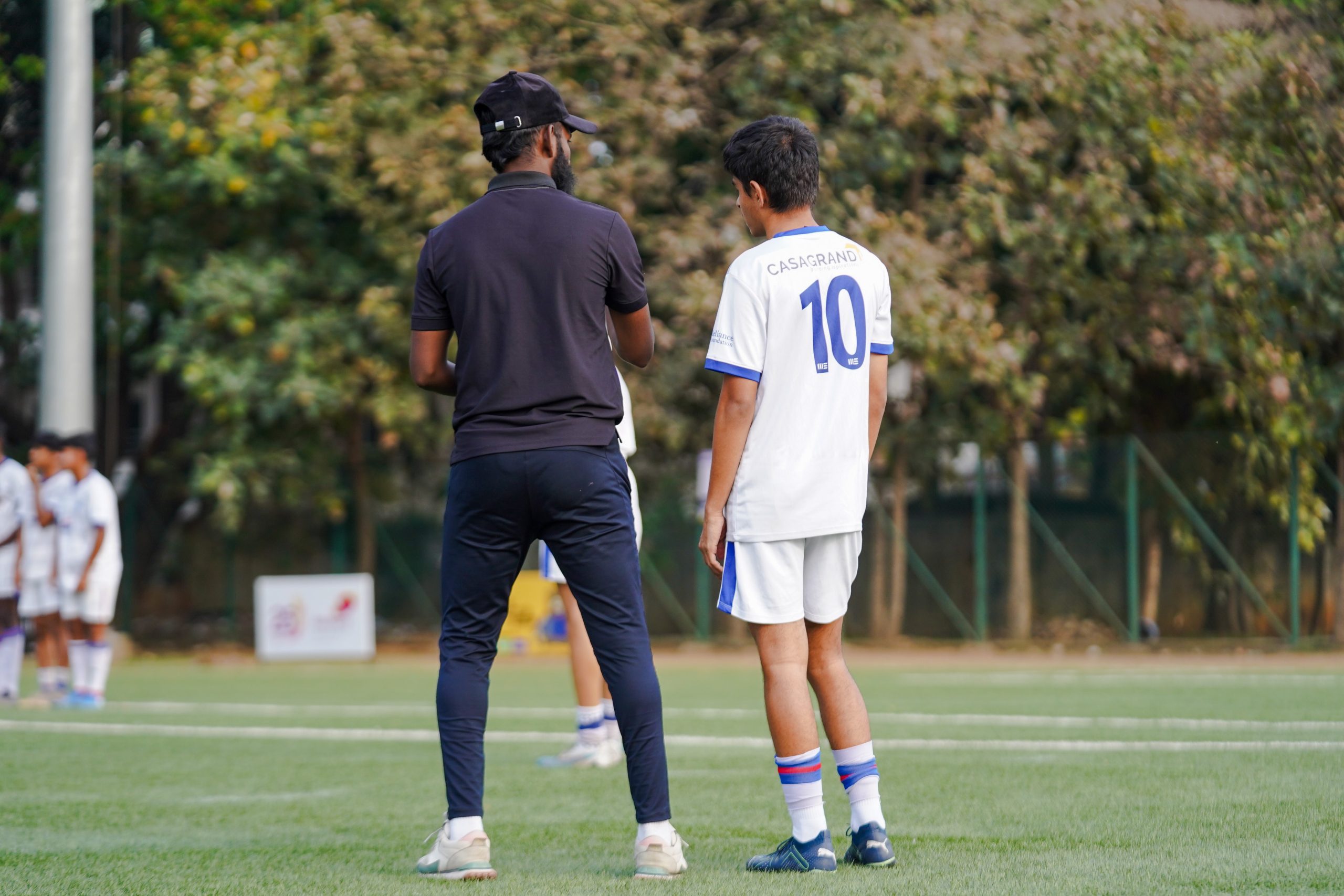
Best Football Warm-Up & Cool-Down Exercises for Young Players
Testimonials








FOLLOW US


DOWNLOAD APP


QUICK LINKS
OFFICIAL KIT PARTNER

FOLLOW US
DOWNLOAD APP
GET IN TOUCH
ADDRESS:
Raheja Towers (East), 6th floor, # 26-26, M.G Road, Bangalore, Karnataka, India 560001
Call Us:
