


03/12/2025
How Parents Can Help Kids Balance Academics and Sport Without Pressure
You want your child to chase their football dreams and excel academically. But lately, it feels like one is always suffering for the other. Don’t worry, you’re not alone. Thousands of parents in Bengaluru, Pune, and across India are juggling the same challenge:
How do you support your child’s football dreams without letting their academics fall behind?
In this blog, we’ll show you what’s really draining them and share three simple systems that will help young players balance academics and sport the right way.
Why Balancing Football and Studies Feels Impossible (& Why It Actually Isn’t)
“Create a schedule! Use a planner! Time management is the answer!”
And if you’re like most parents we talk to, you’re probably thinking, “We already have a schedule from 6 AM to 10 PM, every minute’s taken. What else can we possibly fit in?”
The truth is, your child doesn’t need more hours in the day; they need more energy. Think about it. After two hours of intense football training, your child walks through the door physically tired. But here’s what most parents don’t realise: their brains are mentally exhausted, too.
Why? Because football isn’t just about running drills; it’s also about taking in the coach’s instructions and making split-second decisions. That’s a serious mental workout. So when kids slump at the dining table and stare blankly at their homework, it’s not laziness – they’ve already used up a big chunk of their mental energy. And when you add the constant switch between “football mode” and “study mode,” plus the pressure to do well for parents, coaches, and teachers, it’s a lot.
In short, kids are not just managing time; they’re carrying the worry of letting someone down. This is what makes balancing sport and academics feel overwhelming.
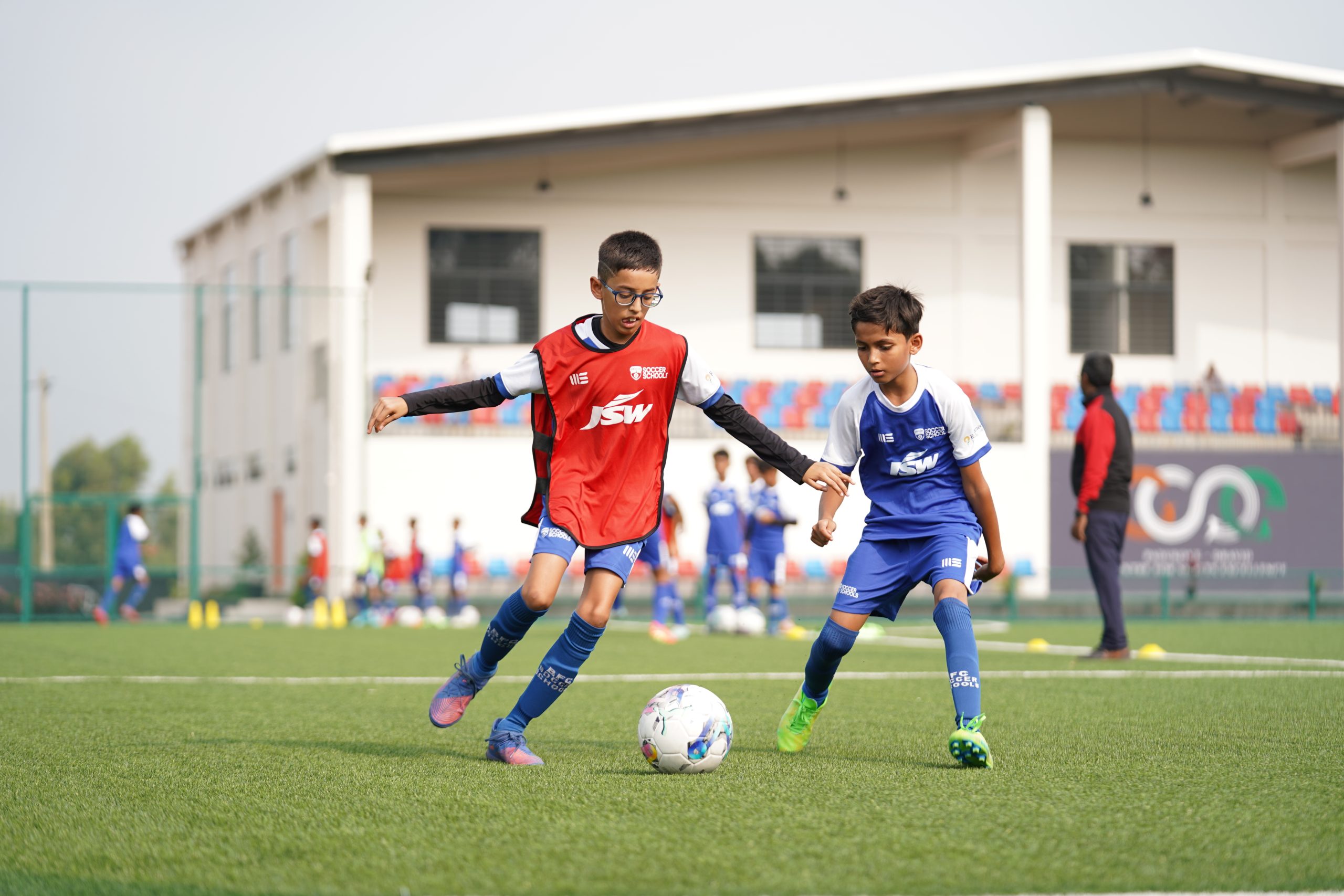
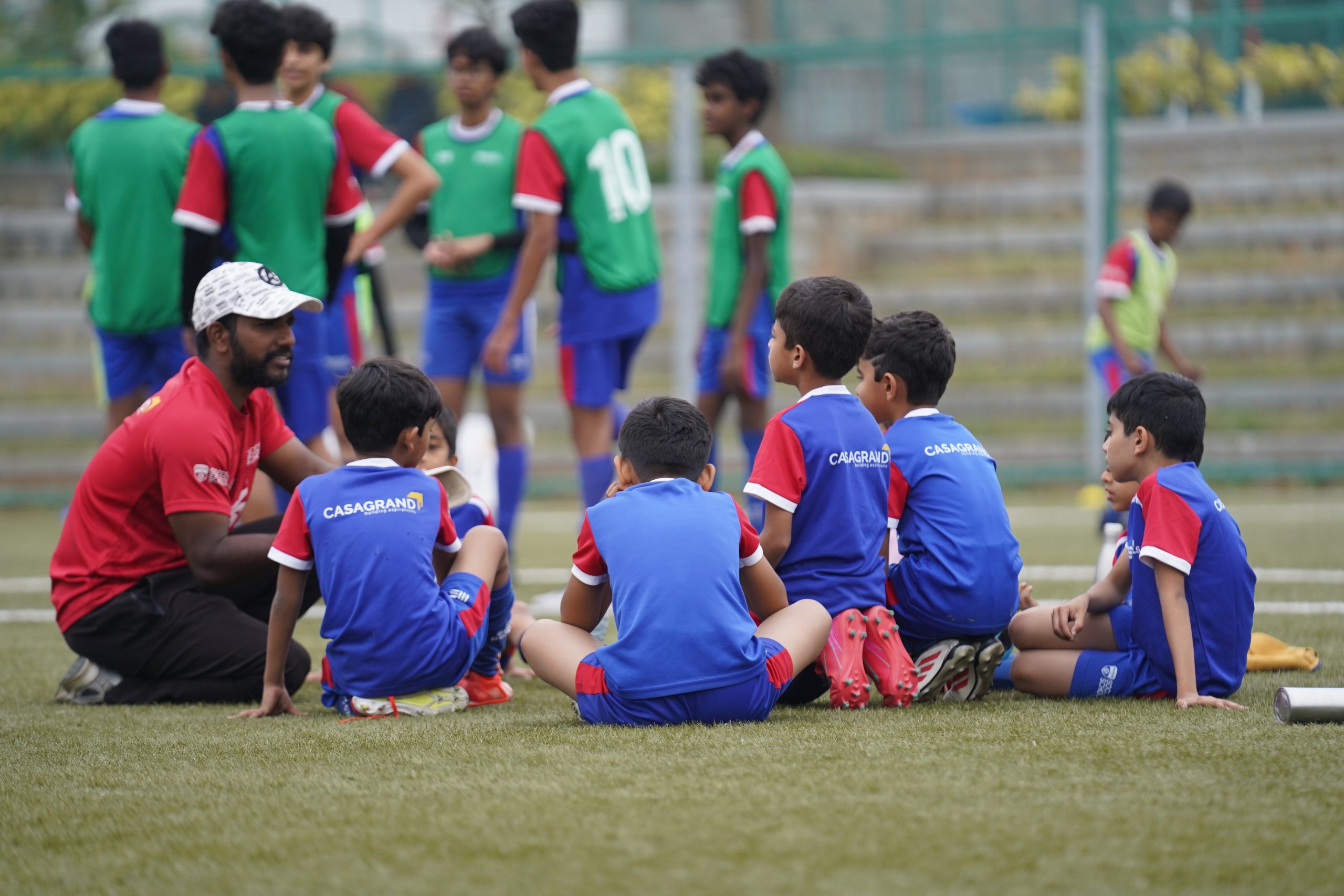
At BFC Soccer Schools, our coaches focus on creating an environment where effort is valued over outcomes. This approach builds resilient players who can handle pressure both on and off the field because they’ve learned that making mistakes is part of getting better.
Anyway, if it’s not about finding more time, what is the solution?
3 Simple Systems That Help Kids Balance Football & Studies
You don’t need a perfect schedule. You need three simple systems that reduce stress instead of adding more rules to follow.
System 1: The Energy-Based Schedule
Instead of asking, “When do you have time to study?”
Try asking, “When does your brain feel most awake?”
Some kids are morning people. They wake up a bit early, finish one subject, and head to school already feeling ahead. Others find their focus later in the evening, when there are fewer distractions.
Your action:
Observe when your child naturally focuses best. Then schedule the hardest homework or subject for that window because that’s when their brain is at its strongest.
System 2: The Weekend Prep Method
Stanford research found that kids who use the weekend to get slightly ahead (not to catch up) feel up to 30% less stressed. So instead of cramming late on Sunday to finish last week’s work, try setting aside just an hour on Saturday or Sunday morning to glance through next week’s chapters or start the pending project. That small head start makes the whole week feel lighter.
Your action:
Dedicate one hour on Saturday or Sunday morning to reading next week’s chapters before the week begins.
System 3: The Study Buddy System
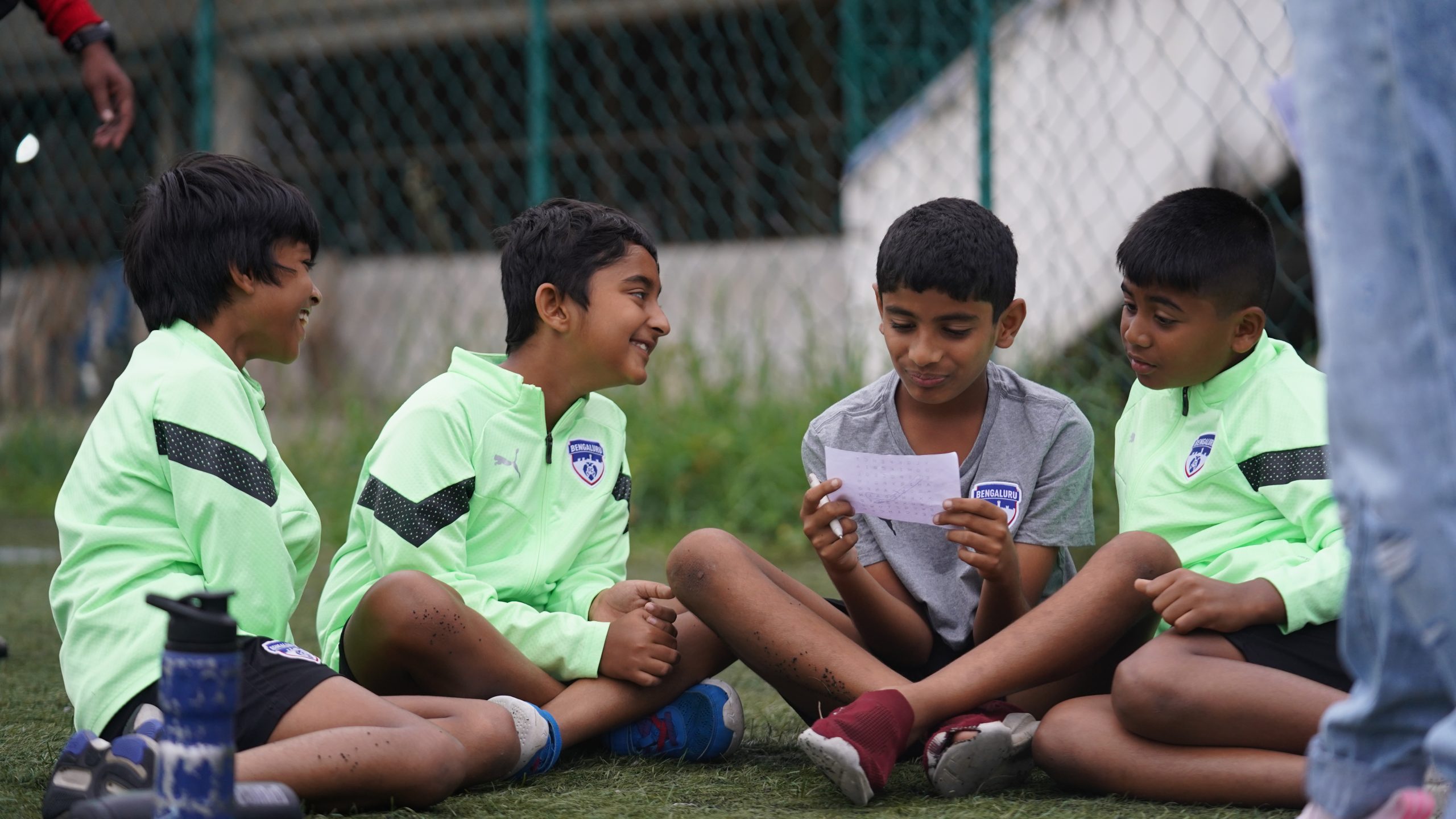
Kids study better in groups. But group study can become a group distraction. Here’s how to make it actually work:
-
-
- Partner with another parent whose child is trying to balance sports and academics
- Plan two 45-minute focused study sessions each week, online or in person.
- Stay structured with a timer on, phones away, and zero distractions.
-
Your action: Reach out to one parent this week and schedule the first 45-minute session.
These three systems make balancing sport and academics more manageable by working with your child’s natural rhythms so they can get things done with less stress and more confidence.
Recommended Reading:
When you combine smart routines with proper nutrition that fuels both training and focus, you’re setting them up to thrive.
- Physical signs: Frequent injuries, getting sick more often, chronic fatigue even after rest, and trouble sleeping.
- Academic signs: Grades suddenly slipping when they never did before, missing deadlines.
- Emotional signs: Loss of enthusiasm for football (they used to love it), irritability, withdrawal from friends.
If your child is showing two or more of these signs consistently, something needs to change. Not forever, just for now. Maybe it’s one less training session during exam week, or skipping that weekend tournament to prioritise rest.
How to Tell If Football or Studies Are Getting Too Much
If your child is showing two or more of these signs consistently, something needs to change. Not forever, just for now. Maybe it’s one less training session during exam week, or skipping that weekend tournament to prioritise rest.
Conclusion
Balance doesn’t mean dividing time equally between football and academics. It means your child is growing in both areas without sacrificing their mental health. Some weeks, football takes priority. Other weeks, academics do. That’s not failure, that’s real life. You now have the full picture: the real problem isn’t time, it’s managing energy better. Plus, you have three practical systems to work with and a clear idea of what burnout looks like before it takes over.
At our grassroots football academy offering professional football coaching in Bangalore, we understand that football isn’t separate from life – it’s part of raising confident kids who can handle pressure both on and off the field. Our coaches build players who know that growth happens through effort, not perfection.
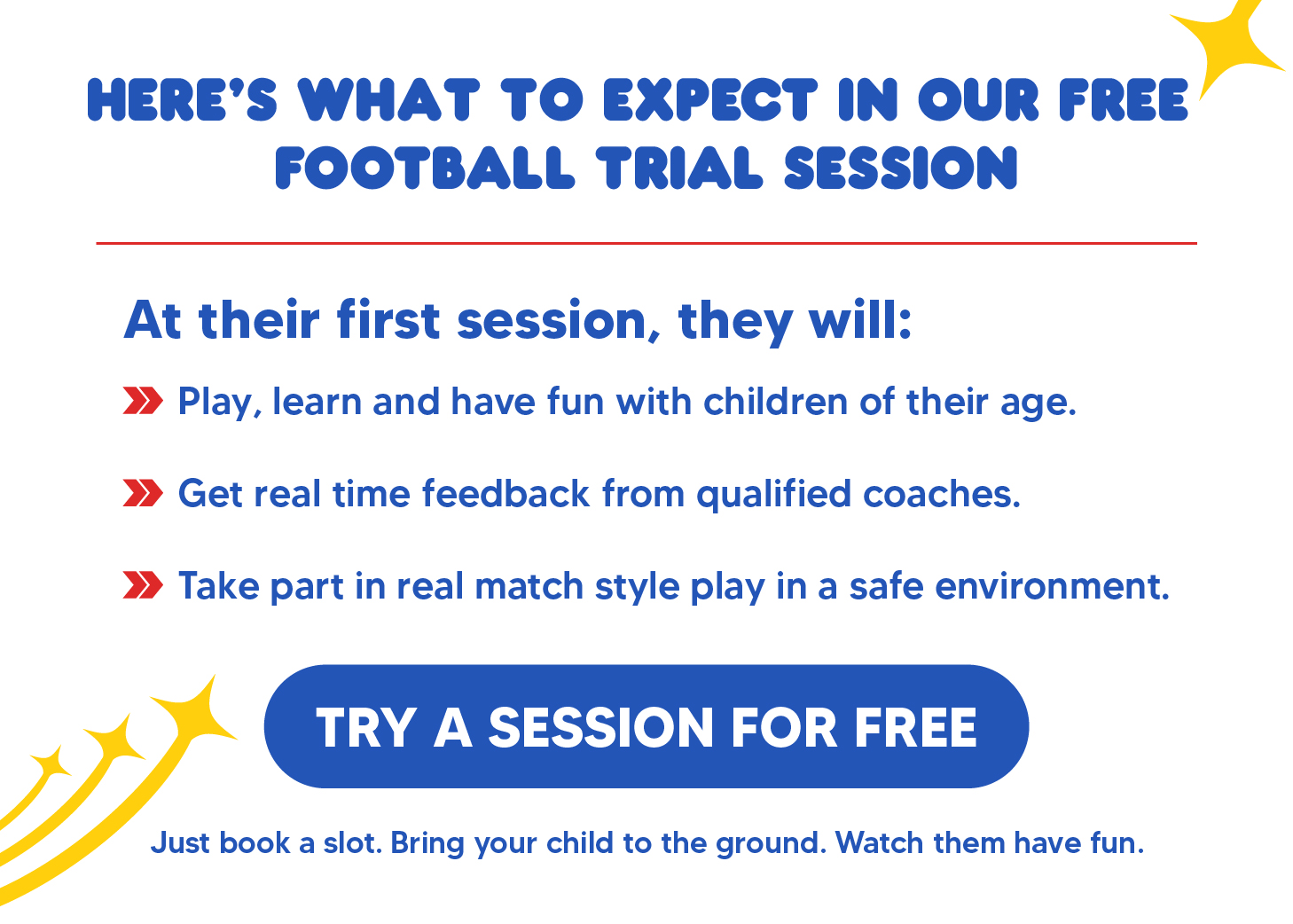
Want to see how we help young footballers thrive without burning out? Join a free trial session and experience the difference firsthand.
Balance isn’t something you achieve once. It’s something you adjust constantly. And you’re already doing better than you think.
Recent Posts
02/06/2026
What Should Your Child Carry to a Football Camp? A Simple Packing Checklist
29/05/2026
How to Prepare Your Child for a Football Trial or Selection Camp
19/05/2026
The ABCD of Receiving the Ball: What Every Young Footballer Needs to Know
Testimonials







FOLLOW US


DOWNLOAD APP


QUICK LINKS
OFFICIAL KIT PARTNER

FOLLOW US
DOWNLOAD APP
GET IN TOUCH
ADDRESS:
Raheja Towers (East), 6th floor, # 26-26, M.G Road, Bangalore, Karnataka, India 560001
Call Us:
