


19/03/2026
Undertraining & Overtraining in Young Footballers: Finding the Right Balance
Is your child training too much, or not training enough?
It’s a difficult question for many parents because the line between healthy development and too much pressure is not always obvious. What looks like a normal training routine for one child can feel overwhelming for another.
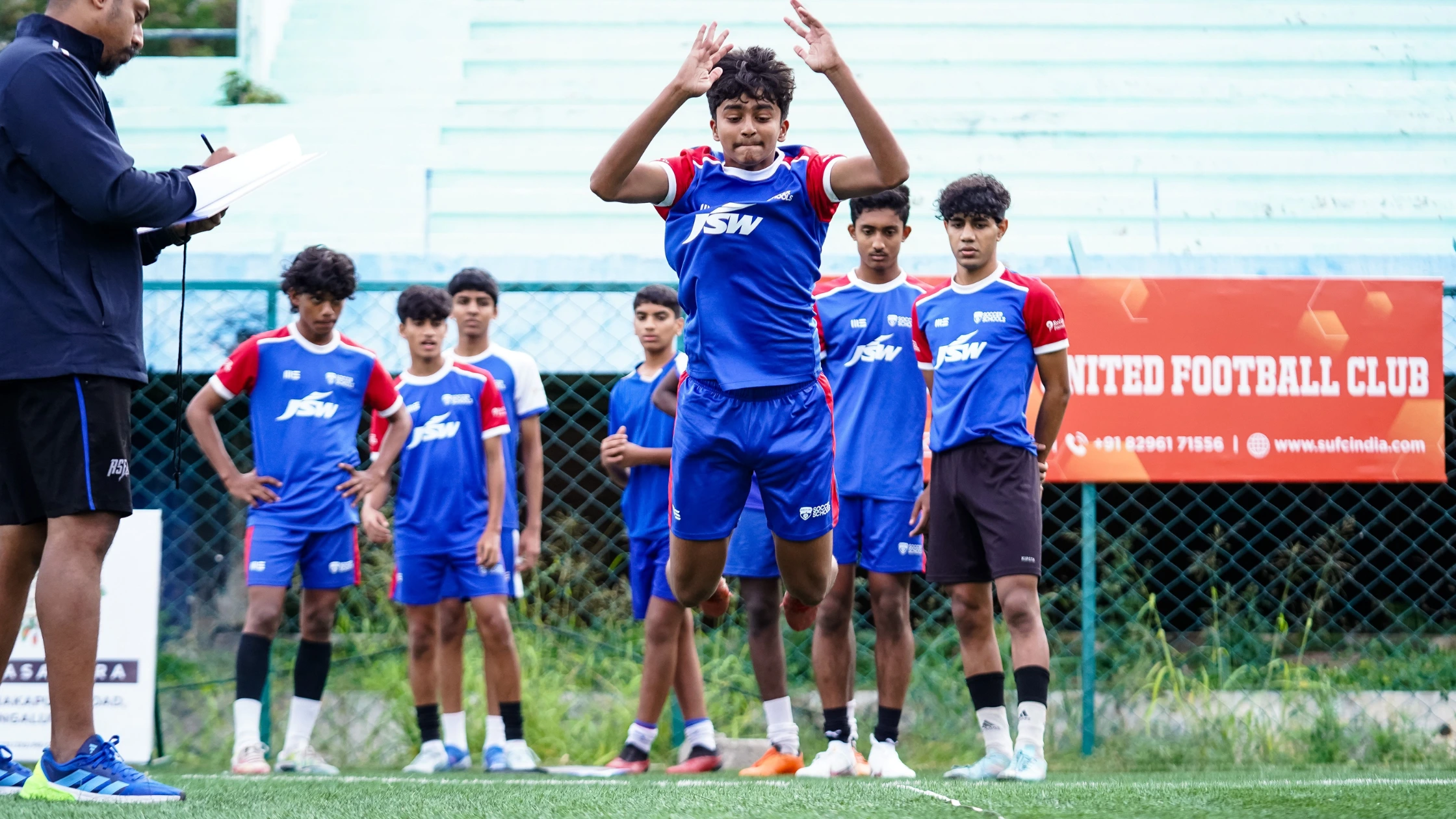
For example, a child might attend two sessions at their football academy during the week and then play multiple matches in a weekend tournament. On paper, that schedule might not seem excessive. But for a young player, the question is not just how often they train; it’s whether their body is ready to handle the training load.
When that balance slips, problems start to appear. In fact, nearly 50% of sports injuries in children are linked to overuse rather than a single sudden incident. Overuse injuries rarely come from one hard training session. They happen when the gap between a child’s physical limits and the demands of their training schedule becomes too wide, and the body does not get enough time to reset and recover.
While training volume is the metric most parents track, it is only one part of the story. True development happens in the balance between training volume and high-quality recovery.
What Happens When Young Athletes Train Without Enough Recovery
A young player’s body is still growing and adapting. This stage of growth makes certain parts of the body more vulnerable when training load exceeds recovery.
1/ Training Load and Growth Plate Injuries
Growth plates are soft areas of cartilage at the ends of a child’s developing bones, which are structurally weaker than the surrounding tendons and ligaments.
Excess training without enough recovery places stress on growth plates, especially in the heel and knee. Over time, this can lead to specific overuse injuries that are commonly seen in young footballers, including:
- Sever’s Disease: Inflammation of the growth plate in the heel, which usually appears as pain during or after running.
- Osgood-Schlatter: The irritation occurs just below the knee where the patellar tendon meets the shinbone. This often results in swelling and tenderness.
Both conditions suggest that the body did not get enough time to recover between training sessions. The good news is that they are largely preventable if training intensity matches what a young body can handle.
2/ Training Stress and Sleep Disruption
Cortisol is the body’s primary stress hormone. In normal amounts, it helps the body respond to physical stress like intense training. However, when training stress continues without enough recovery, cortisol levels remain elevated and can:
- Weaken the body’s immune system
- Slow down muscle repair and recovery
- Disrupt healthy sleep patterns
This is where the problem becomes more serious for young athletes. Growth hormone, which supports muscle development and physical adaptation, is released during deep sleep. But without enough recovery, sleep quality drops and growth hormone cannot support proper development. As a result, a young footballer may train consistently yet struggle to improve the way they should.
What Are The Signs of Overtraining & Undertraining in Young Footballers
Most parents assume they will notice if their child is overtraining or undertraining. But in reality, both are harder to spot than they appear, and the signs are often misread.
Common Signs of Overtraining in Young Footballers
- They wake up exhausted even after a full night of sleep.
- The enthusiasm they once had for talking about football quietly fades.
- Training starts to feel like a chore instead of something fun and exciting.
- They start distancing themselves from teammates they once liked being around.
- Persistent heel or knee pain, even though there has been no clear injury.
It’s easy to dismiss these signs as a “bad attitude” or just a busy school schedule. But they are clear warning signs that the body and mind are under too much stress.
Common Signs of Undertraining in Young Footballers
- They start the game strong but begin making sloppy mistakes by the second half.
- They appear confident in normal training, but struggle to keep up with the intensity of competitive matches.
- They recover quickly after training sessions, but take much longer to recover after tournaments.
- They attend every session, yet show little improvement in speed, strength, or stamina.
Undertraining is easy to overlook because it hides in everyday practice. It only becomes clear on match day, when the intensity of the game is higher than what training prepared them to handle.
Key Takeaway: Balancing Training & Recovery for Young Footballers
Helping a young footballer grow is not about pushing them to train more or holding them back from training altogether. It is about finding the right balance between effort and recovery. A growing body is constantly adapting, and the way training is structured can shape whether that development becomes healthy progress or unnecessary strain. As we’ve seen throughout this blog, recognising the signs of undertraining and overtraining is an important part of supporting the long-term development and well-being of young footballers. When training load is balanced with proper recovery, players stay healthier, build confidence, and enjoy their football journey.
At BFC Soccer Schools, a grassroots football academy, we believe progress comes from smart training, not just more training. Our coaches plan sessions that match each player’s age, ability, and recovery needs. If you want your child to grow as a footballer in the right environment, get in touch with our team and book a free trial session today.
Frequently Asked Questions
Can overtraining stop a child from improving in football?
Yes, high cortisol levels from overtraining can weaken the immune system and slow muscle repair, leading to a plateau where a player trains hard but sees no progress.
How much sleep does a young athlete need for recovery?
According to the American Academy of Sleep Medicine (AASM), children aged 6 to 12 should get 9 to 12 hours of sleep, while teenagers aged 13 to 18 need about 8 to 10 hours each night.
Should young footballers train more to improve faster?
No. Young players need the right balance of training and recovery. When training load matches their age and physical development, they improve steadily while reducing the risk of injuries and burnout.
Recent Posts
01/04/2026
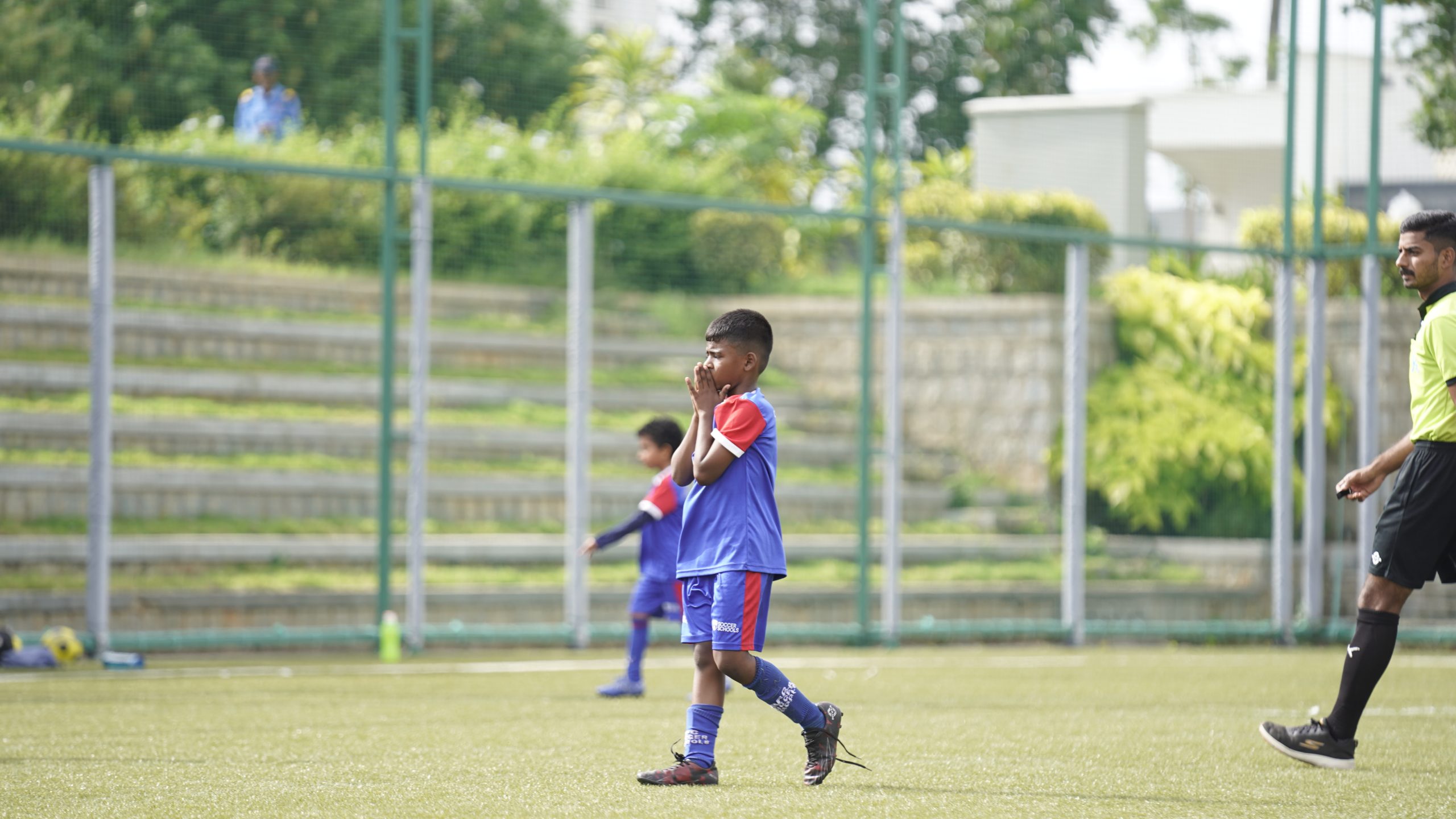
Fear of Tackling in Football: Why It Happens and How to Fix It
26/03/2026
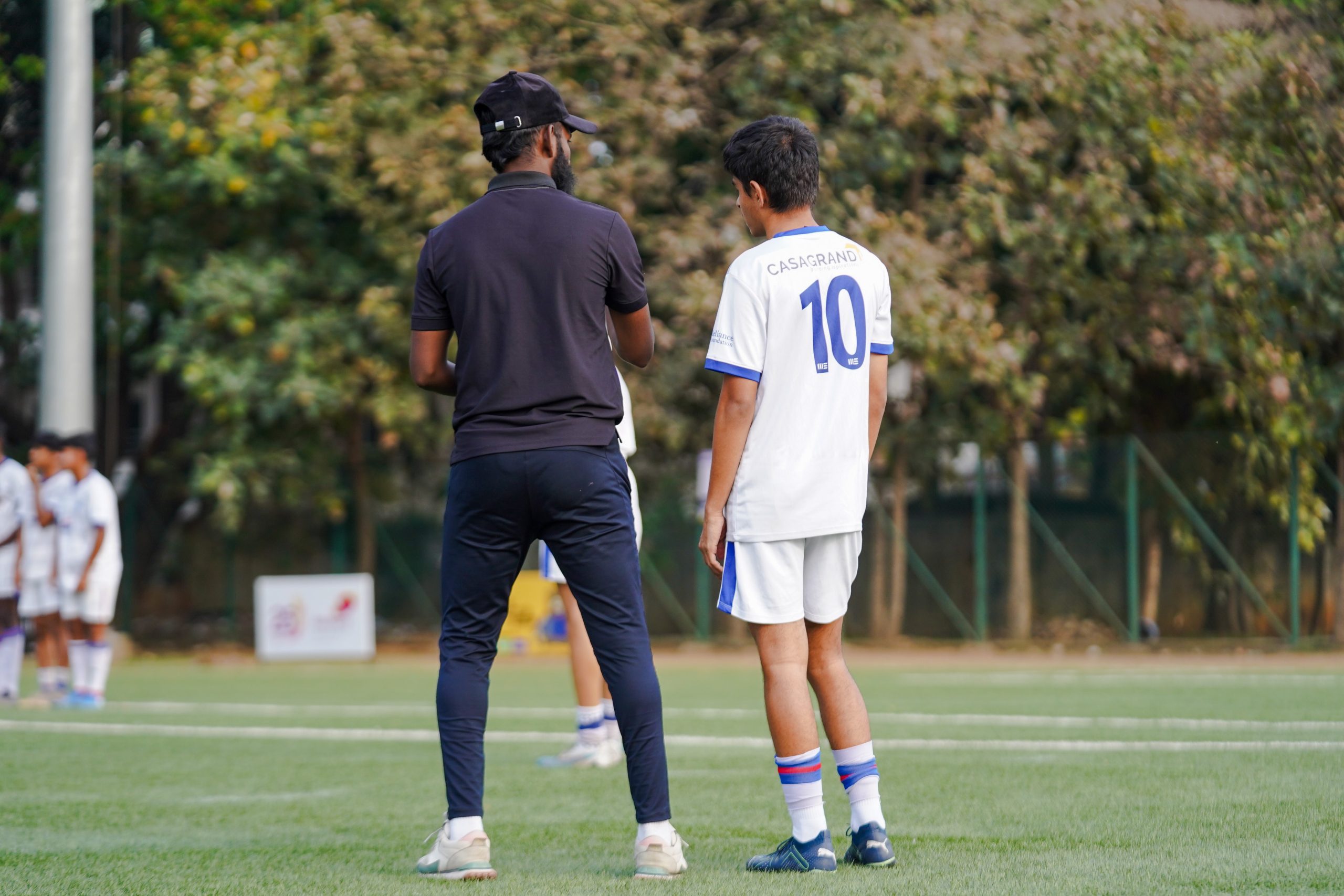
Best Football Warm-Up & Cool-Down Exercises for Young Players
17/03/2026
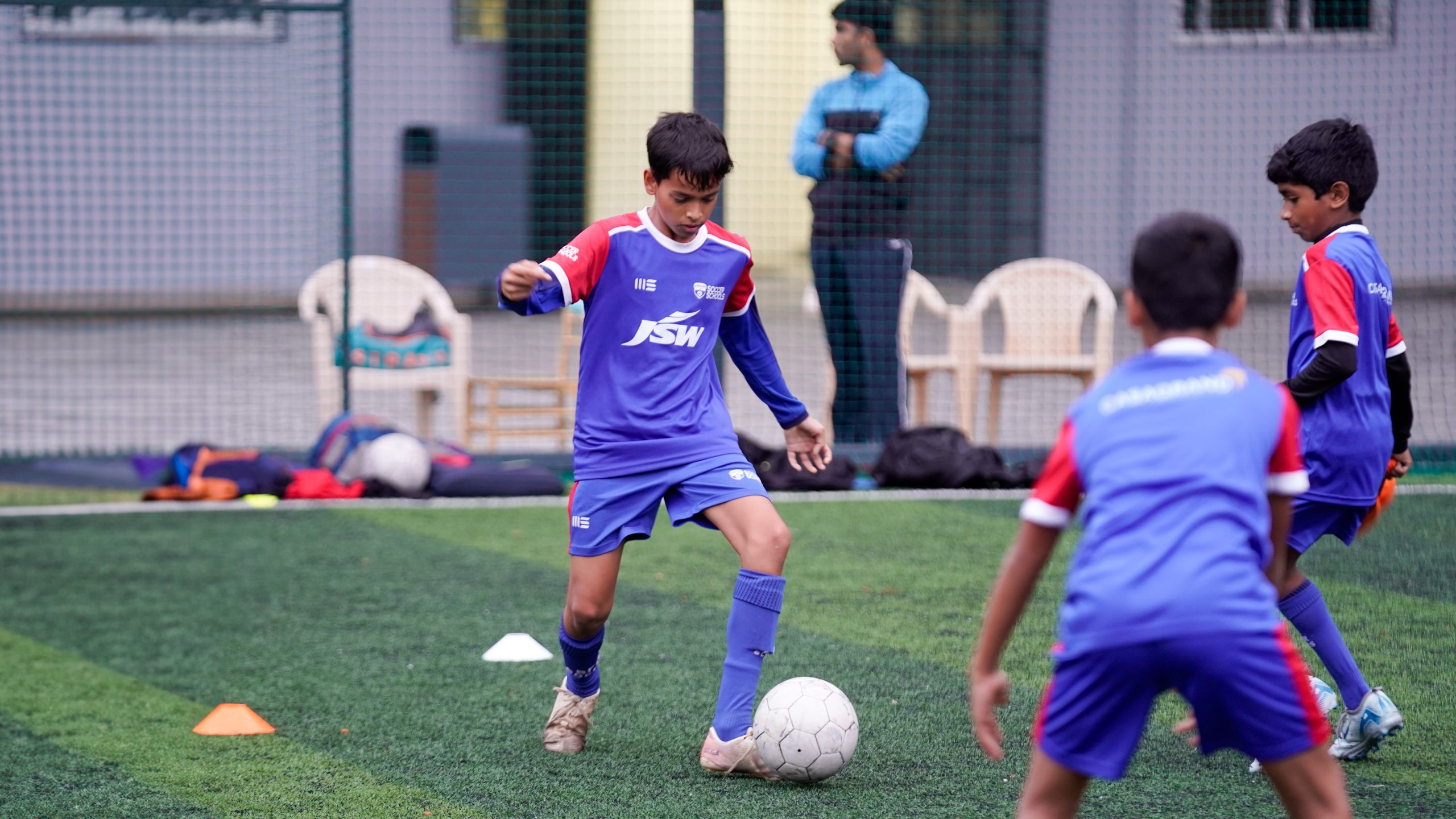
Why Keeping Kids Active During Summer Holidays Matters More Than Ever
Testimonials






FOLLOW US


DOWNLOAD APP


QUICK LINKS
OFFICIAL KIT PARTNER

FOLLOW US
DOWNLOAD APP
GET IN TOUCH
ADDRESS:
Raheja Towers (East), 6th floor, # 26-26, M.G Road, Bangalore, Karnataka, India 560001
Call Us:
