


29/05/2026
How to Prepare Your Child for a Football Trial or Selection Camp
The car ride home felt quieter than usual.
Your child had spent the whole week practising in the living room, dribbling around cushions, replaying shots they had seen online, and asking every evening, “What if the coach doesn’t pick me?” On the morning of the football trials, they tied their boots twice, barely touched breakfast, and kept scanning the field to see who else had arrived.
And somewhere between excitement and nervousness, you probably felt it too.
Because football trials are not just about selection. They are moments where children learn how to handle pressure, uncertainty, and the feeling of being watched.
What Football Trials Really Test
Most parents assume football trials are only about skill. Clean passing, fast dribbling, powerful shooting.
But coaches usually notice something else first.
Young players improve faster when they focus on learning instead of fearing mistakes. That matters during football trials because no child plays perfectly under pressure.
The good news? Coaches already know that.
At this age, they are often looking for attitude, effort, and willingness to learn just as much as technical ability.
How to Prepare Before the Trial
1. Keep Practice Light and Enjoyable
The week before football trials is not the time to overload your child with drills.
A short session in the park, light ball work, or even casual passing at home is enough. Children perform better when they feel fresh, not exhausted.
At BFC Soccer Schools, our coaches often notice that players who stay relaxed before selection camps make sharper decisions on the field. That calmness helps them show their natural game instead of overthinking every touch.
If your child enjoys structured sessions that balance learning with confidence-building, our football coaching in Bengaluru programmes are designed to prepare young players for exactly these moments. You can also book a free trial session to experience it firsthand.
2. Focus on Small Habits
The night before matters more than most parents realise.
Help your child:
- Pack their boots, socks, shin guards, and water bottle early so the morning feels calm.
- Eat familiar food instead of trying something new before the trial.
- Sleep on time instead of watching football highlights late into the night.
- Arrive early enough to settle in without rushing.
These tiny routines reduce anxiety because children feel more in control.
And that changes how they step onto the pitch.
3. Prepare Them Emotionally Too
Sometimes the pressure around football trials comes from silence.
Children can sense when selection feels “important,” even if nobody says it directly. That is why your words before the trial matter.
Instead of saying:
“Make sure you get selected.”
Try:
“Enjoy playing. Show the coach how much you love football.”
That small shift removes fear and replaces it with freedom.
What Coaches Usually Look For During Football Trials
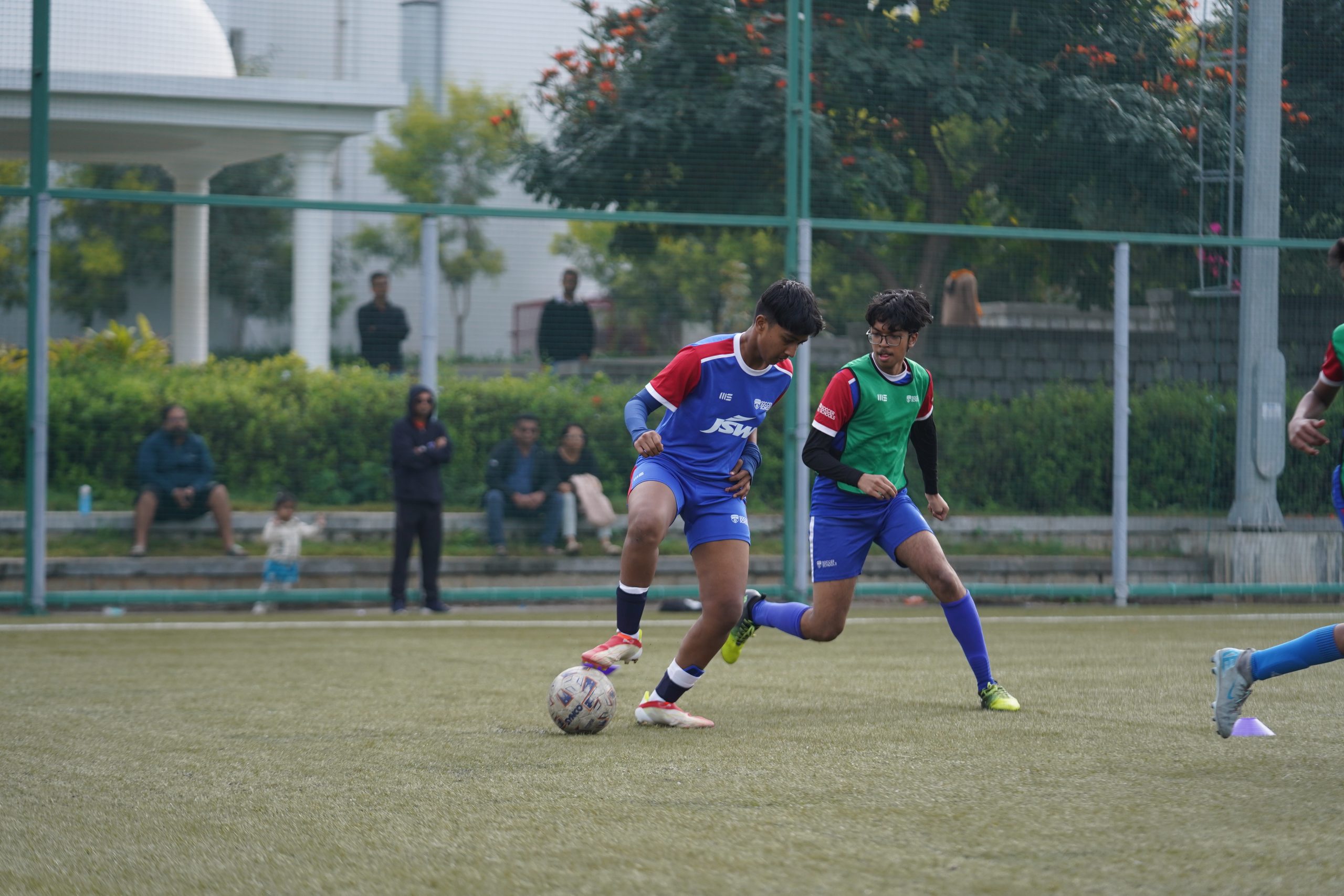
Positive Body Language
A child who keeps trying after mistakes stands out immediately. Slumped shoulders and frustration often affect performance more than the mistake itself.
Communication
Football is a team sport. Coaches notice players who call for passes, encourage teammates, and stay engaged throughout the session.
Decision-Making
Young players do not need to perform tricks constantly. Often, the smartest pass is more impressive than the fanciest dribble.
Coachability
Can your child listen, adapt, and apply feedback quickly? This is one of the biggest things coaches observe during football trials.
Recommended Reading:
If your child struggles with nerves before important matches, reading about handling pressure can help. Read How to Manage Pressure Before Your First Football Tournament.
What Parents Should Do on Trial Day
Parents often feel nervous too. Completely understandable.
But children absorb emotions quickly, especially before football trials.
A few things help more than you think:
- Avoid giving constant technical instructions from the sidelines.
- Let coaches do the coaching during the session.
- Do not compare your child to other players at the venue.
- After the trial, ask how they felt instead of immediately asking whether they got selected.
That final conversation matters most.
Because even if your child is not selected, the experience itself teaches resilience, confidence, and self-belief.
And many young footballers who eventually succeed have stories of trials that did not go their way the first time.
If Your Child Does Not Get Selected
This is usually the hardest moment for parents to handle.
You want to protect your child from disappointment. But setbacks are part of sport and part of growing up.
Sometimes children simply need more time. Sometimes they are nervous. Sometimes, coaches are looking for a very specific profile on that particular day.
None of that defines your child’s long-term potential.
At BFC Soccer Schools, we have seen players walk into sessions shy and uncertain, only to grow dramatically once they train in the right environment consistently. Confidence in football is rarely built overnight. It grows session by session.
Recommended Reading:
If your child finds mistakes difficult to handle, this blog may help you support them better: Is Your Child Scared of Making Mistakes in Football?.
Ready to Help Your Child Feel More Confident Before Their Next Trial?
That nervous car ride before football trials becomes much easier when your child walks onto the pitch feeling prepared, supported, and comfortable in their own game.
At BFC Soccer Schools, our coaches create sessions where young players learn how to handle pressure, communicate confidently, and enjoy football without fear of mistakes. Over time, that confidence naturally carries into trials, tournaments, and match situations.
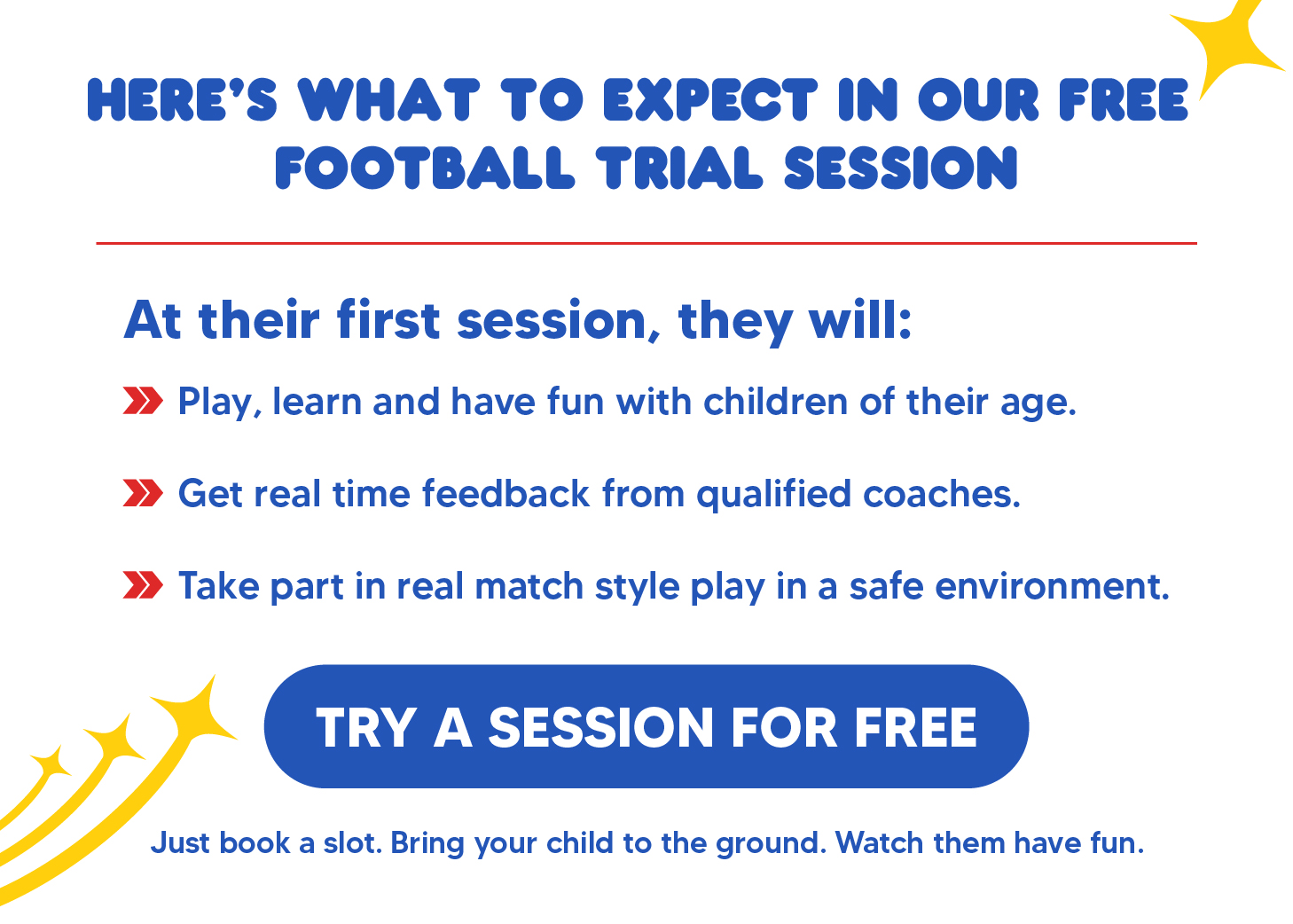
You can book a free trial session here and let your child experience it firsthand.
Frequently Asked Questions
1. How can I help my child stay calm before football trials?
Keep the routine simple. Avoid last-minute coaching, comparisons, or pressure. Give light food, water, rest, and one calm reminder to enjoy playing.
What do coaches usually look for during football trials?
Coaches look at skill, effort, body language, communication, decision-making, and coachability. A child who keeps trying after mistakes often stands out.
Should my child practise more in the week before a football trial?
No. Light practice is better. Simple passing, ball control, and relaxed movement help your child feel ready without becoming tired.
What should I say if my child does not get selected?
Acknowledge their feelings first. Ask what they learned and enjoyed. Not getting selected does not define their long-term football potential.
Recent Posts
02/06/2026
What Should Your Child Carry to a Football Camp? A Simple Packing Checklist
19/05/2026
The ABCD of Receiving the Ball: What Every Young Footballer Needs to Know
01/04/2026
Fear of Tackling in Football: Why It Happens and How to Fix It
Testimonials





FOLLOW US


DOWNLOAD APP


QUICK LINKS
OFFICIAL KIT PARTNER

FOLLOW US
DOWNLOAD APP
GET IN TOUCH
ADDRESS:
Raheja Towers (East), 6th floor, # 26-26, M.G Road, Bangalore, Karnataka, India 560001
Call Us:
