


12/02/2026
What Is the Right Age to Start Football for Your Child?
You hear another parent talk about how football has helped their child become more focused and disciplined. You’re genuinely happy for them. But somewhere in that moment, you begin measuring their child’s journey against your own. You start wondering if you’re doing enough or if you should have started sooner.
In this blog, we’ll help you understand when your child is actually ready to play football – and why waiting for readiness can be just as powerful as starting early.
What’s the Right Age for a Child to Start Football?
Age is just a number. There is no single right age to start football. What matters far more is whether your child is physically and emotionally ready, and genuinely interested in the game.
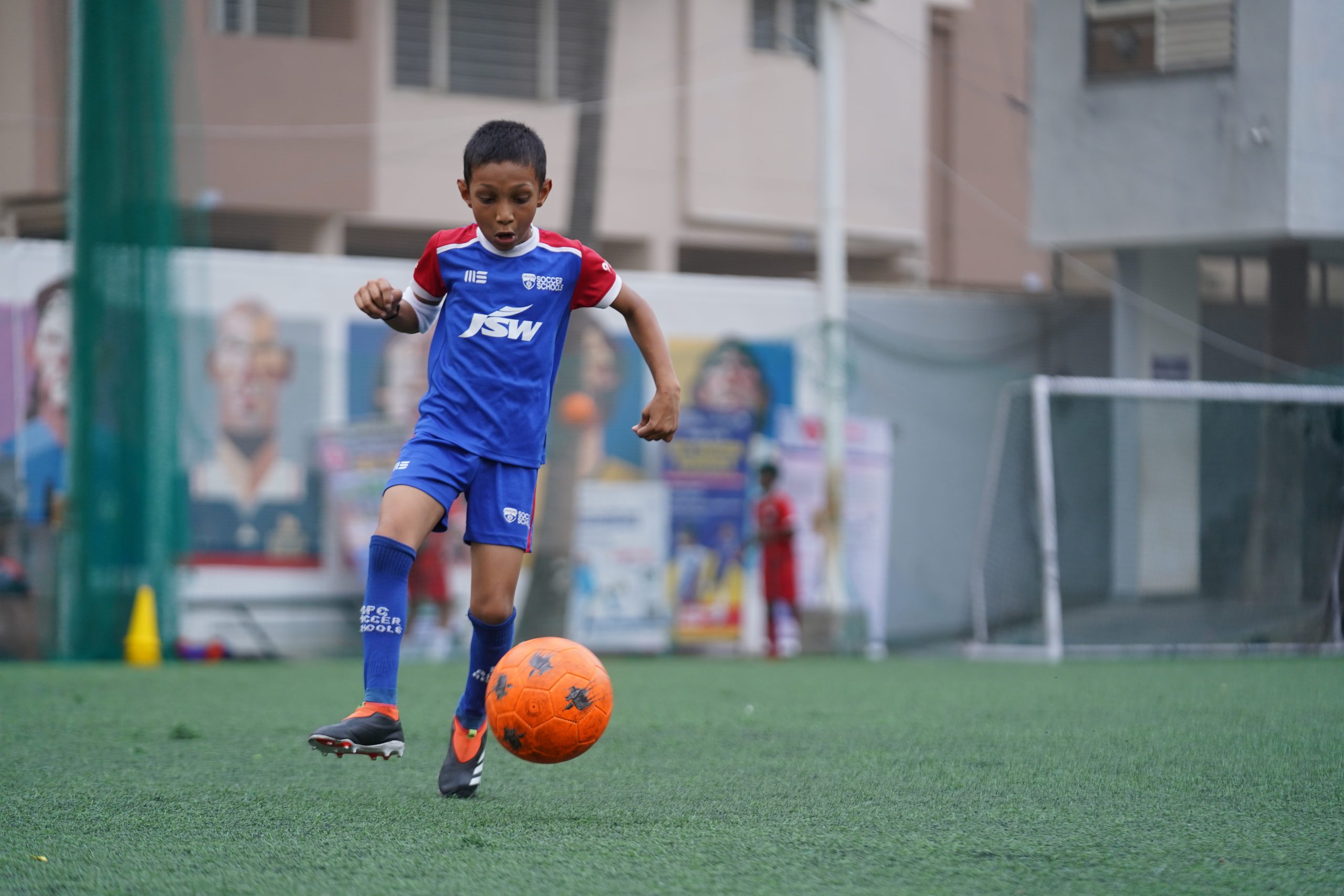
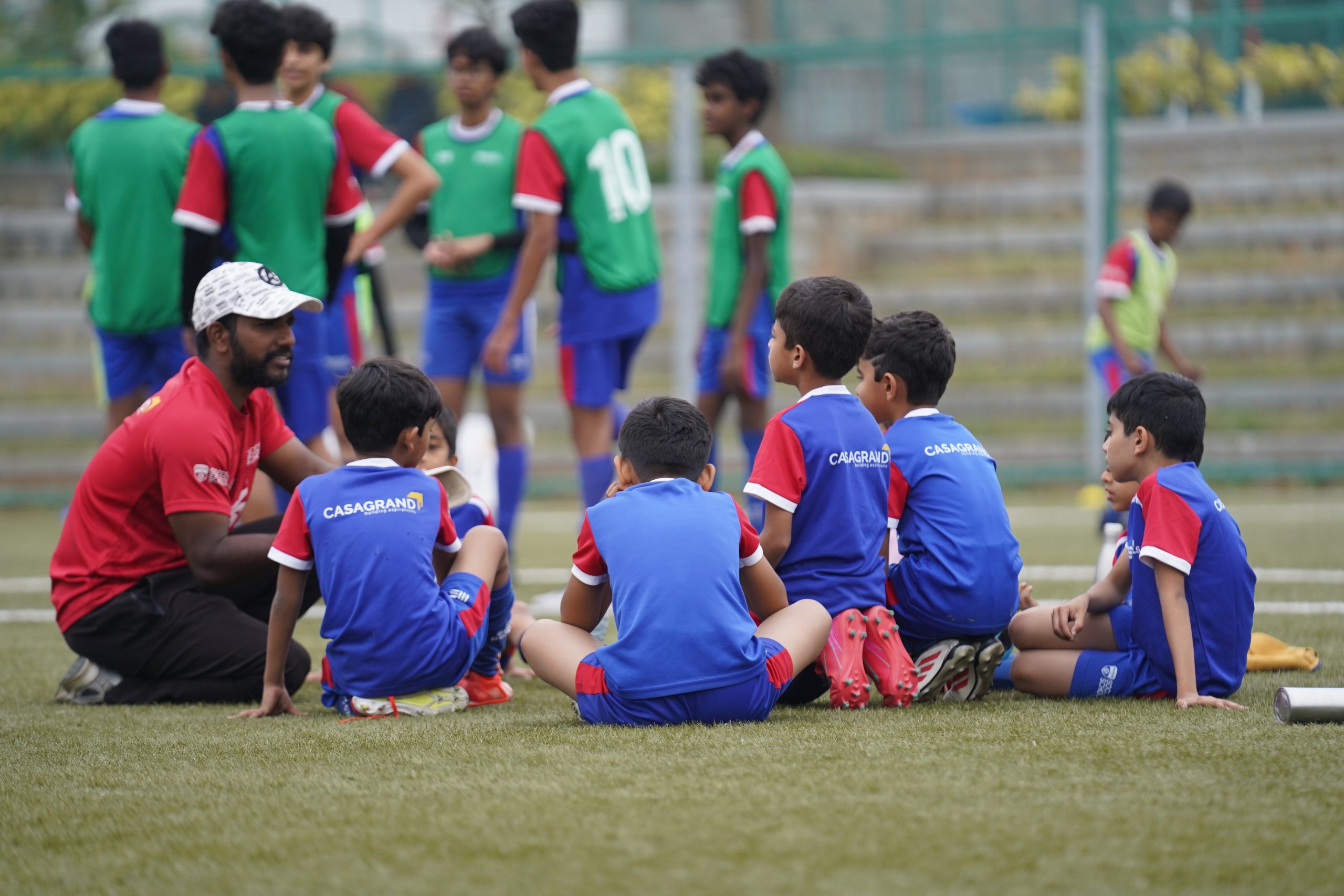
At BFC Soccer Schools, a grassroots football academy, this is something we witness regularly. Two children of the same age join at the same time, yet their experiences look completely different. One walks in curious and excited, asking questions and picking things up quickly. The other needs constant reassurance and seems unsure about being there at all.
And within just a few weeks, the difference becomes clear: progress has far less to do with talent or age, and far more to do with readiness. So how can parents tell the difference between casual interest and true readiness? Let’s figure it out.
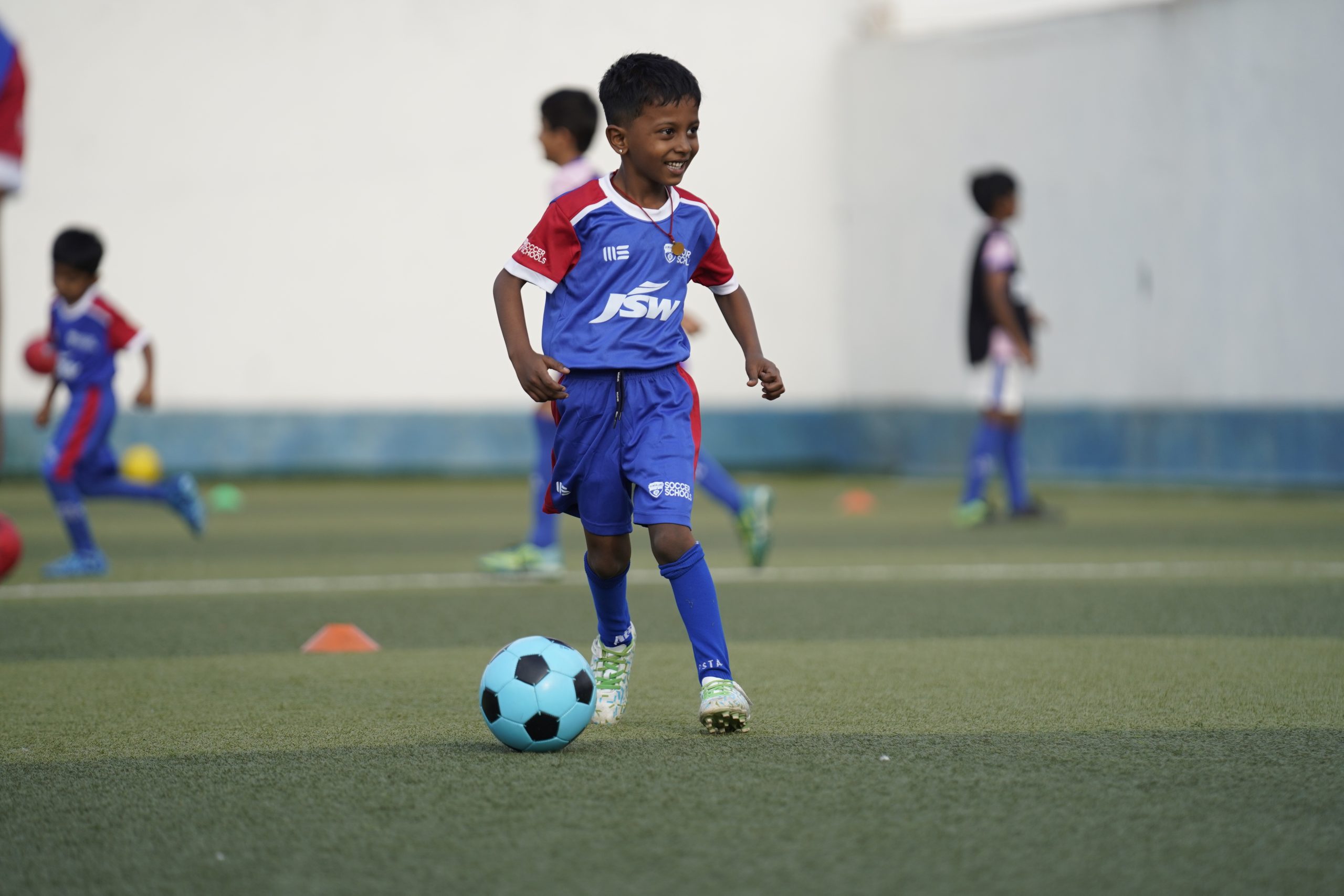
When Is the Right Time for Your Child to Start Football?
Being the same age doesn’t mean being equally ready. Some are prepareatd, some are finding their confidence, and some benefit from waiting a little longer.
Signs Your Child Is Ready for Football Training
Some signs are subtle, but when they start showing up together, they give parents a clear sense of readiness:
-
-
- Your child watches football matches and asks curious questions about the game.
- They don’t need reminders or encouragement to play football.
- They show excitement about training instead of stress or resistance.
- They can take simple instructions from coaches/teachers without resistance.
- They can handle losing a game or missing a goal without completely shutting down.
-
If most of this sounds familiar, your child is ready for football training. At this stage, sessions feel energising rather than overwhelming. Plus, learning comes naturally because your child is engaged and open to guidance.
Seeing these signs is exciting, but the real difference comes from enrolling your child in an academy that knows how to build on the right football foundation. If you’re looking for football coaching in Bengaluru that meets your child where they are, BFC Soccer Schools offers age-appropriate training led by licensed coaches who focus on both skill and character. Book a free trial session today
When Your Child Is Still Finding Their Rhythm
Some children sit in the middle, and that is completely okay. At this stage, interest exists, but it hasn’t fully settled into confidence yet.
-
-
-
- They show interest in football, but mostly when you bring it up.
- They are physically capable, but struggle emotionally when they make mistakes.
- Friends are the main reason they’re curious, while excitement for football is still developing.
- They enjoy playing for fun, but find organised training harder to stay engaged with.
-
-
If this sounds familiar, there’s no need to rush. This phase needs patience. Your child may not be ready for structured training just yet, and that doesn’t mean the door is closed. They just need time and a pressure-free environment to grow.
When Your Child Is NOT Ready For Football?
In some cases, the signs suggest that waiting may be more supportive than starting now.
-
-
-
- There is no real interest, and the motivation is coming entirely from you.
- They already feel tired or overwhelmed from too many activities.
- Training feels like a chore or a punishment rather than something enjoyable.
-
-
In situations like these, waiting isn’t a setback; it’s the right decision. Because football will still be there when your child is ready. And since children are perceptive, they can sense when they’re being pushed toward something that matters more to a parent than to them. And when that happens, it doesn’t build passion; it quietly builds resentment.
Protecting their relationship with the game now often matters more than starting early.
Recommended Reading:
Concerned that football might affect your child’s academic performance? Read our blog on how to balance academics and sport without pressure to discover how the two can actually support each other when done right.
Do You Think It’s “Late” for Your Child to Start Football?
It’s natural to feel worried when you see younger children already training seriously or playing in organised leagues. As a parent, you may think that your child is somehow “late” or already falling behind.
But this belief doesn’t hold up when you look at how football careers actually unfold. Many professional players didn’t start structured training early at all. Take Didier Drogba, for example. He didn’t enter a formal football academy until his mid-teens. Yet he went on to win multiple league titles, lift the Champions League, and become one of the most respected figures in world football. What set him apart wasn’t an early start. It was the focus and clarity he brought once he truly committed to the game.
When a child is emotionally prepared and genuinely motivated, progress will happen regardless of when they begin.
3 Factors That Shape Your Child’s Football Journey, Regardless of Age
What determines progress isn’t the age your child begins football. It comes down to a few simple factors that shape how confidently and consistently they grow.
- Consistent training: Regular sessions (even just two or three times a week) help build fundamental football skills naturally over time. This kind of rhythm builds comfort and familiarity, without overwhelming younger players or turning football into a source of pressure.
- Supportive environment: Children develop faster when mistakes are treated as part of learning. When coaches encourage effort, allow room for failure, and focus on confidence rather than criticism, players learn faster because they aren’t afraid of making mistakes.
- Intrinsic motivation: A child who genuinely wants to play, asks questions, and enjoys the process will almost always progress faster than one who trains only to keep up or meet expectations. Remember, interest fuels effort, and effort fuels growth.
So if your child is starting at nine, ten, or even later, it isn’t a disadvantage. When consistent training, the right environment, and genuine motivation come together, progress follows naturally.
Conclusion
There’s no universal “right age” to start football. What matters is whether your child is physically capable, emotionally prepared, and genuinely interested in the game. Some children are ready at six, others bloom at nine or ten, and both paths can lead to the same love for football.
The lesson? Don’t let comparison steal your child’s joy. Their journey doesn’t need to look like anyone else’s. When they’re truly ready, you’ll feel it – and so will they.
At BFC Soccer Schools, we’ve seen children of all ages and readiness levels walk through our doors. Some start confident, others need time to settle in. But with the right coaching and a supportive environment, they all grow. If you’re wondering whether your child is ready, talk to our team today. Let’s see where they are and help them take the next step in their journey.
Recent Posts
02/06/2026
What Should Your Child Carry to a Football Camp? A Simple Packing Checklist
29/05/2026
How to Prepare Your Child for a Football Trial or Selection Camp
19/05/2026
The ABCD of Receiving the Ball: What Every Young Footballer Needs to Know
Testimonials








FOLLOW US


DOWNLOAD APP


QUICK LINKS
OFFICIAL KIT PARTNER

FOLLOW US
DOWNLOAD APP
GET IN TOUCH
ADDRESS:
Raheja Towers (East), 6th floor, # 26-26, M.G Road, Bangalore, Karnataka, India 560001
Call Us:
