


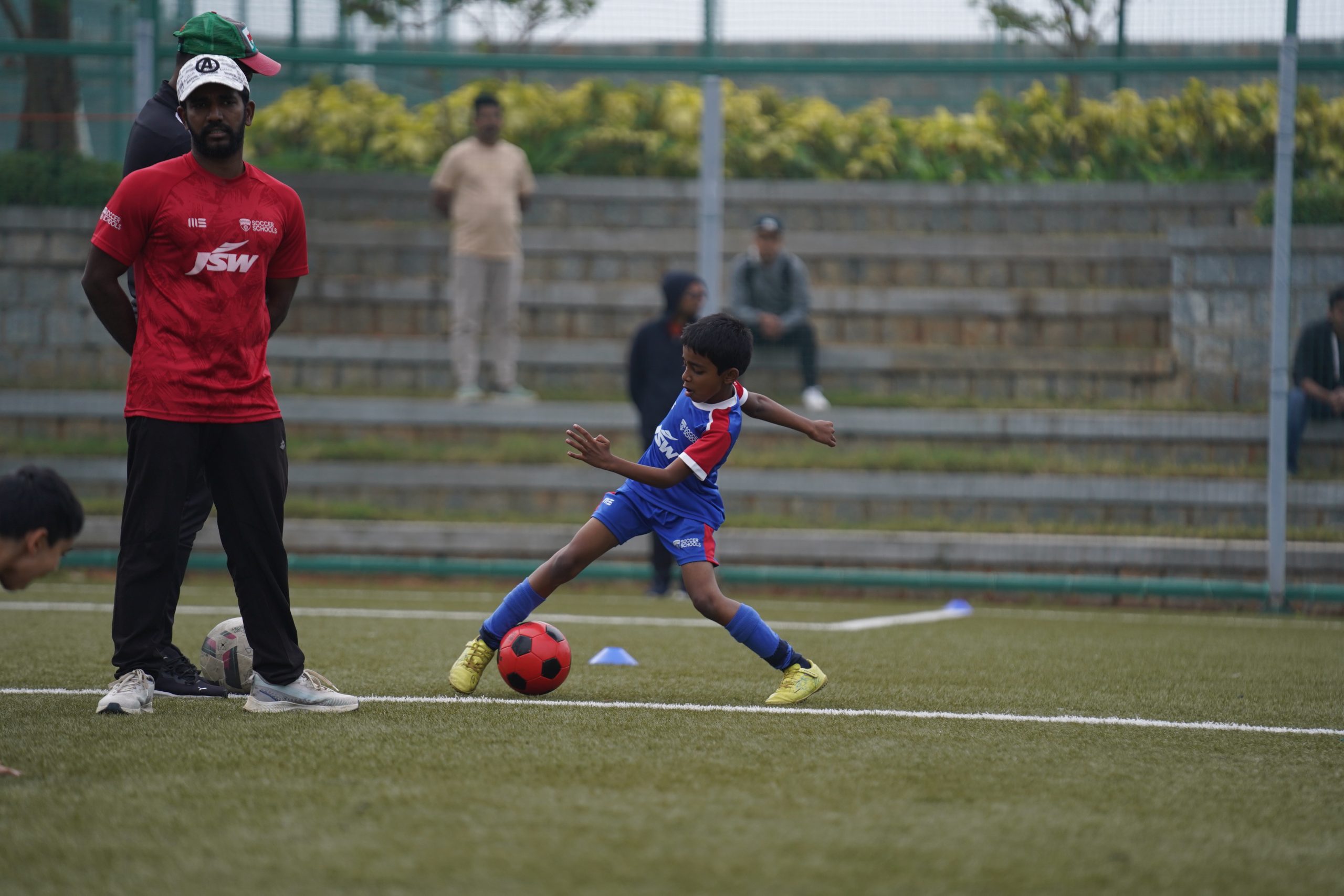
19/05/2026
The ABCD of Receiving the Ball: What Every Young Footballer Needs to Know
There is one skill that every pass, dribble, and shot in football depends on:
Receiving the ball cleanly.
However, receiving the ball is one of the most undercoached skills in grassroots football, and most young players have simply never been taught how to do it properly. In this blog, we will break down the simple four-part framework that will help any player receive well, whether the pass is easy or the pressure is high.
Why Most Young Players Struggle to Receive the Ball?
Most young players are taught to pass, shoot, and dribble from their very first session at a football academy. However, receiving the ball is rarely broken down and taught properly.
That’s why players develop a habit of just waiting for the ball to arrive and reacting to it instead of preparing for it.
The good news?
Receiving is one of the most teachable skills in football.
According to England Football’s coaching, good receiving starts before the ball even arrives. It starts with scanning the pitch, reading the space, and getting the body ready to move.
The ABCD of Receiving the Ball: How Good Players Receive the Ball
A: Awareness
Good receivers don’t wait for the ball; they prepare for it. Before the pass arrives, they’ve already scanned the pitch, understood the pressure around them, and decided what they’re going to do next. So when the ball arrives, there’s no hesitation. They already know whether they are turning, passing, or holding the ball up.
B: Body Position
When a player faces the passer straight on, both feet square, they’re already a step behind. The ball arrives, and now they need to turn. That extra second is all a defender needs to close them down. Instead, the player should stand slightly side-on, with their body already open toward where they want to go next. When the ball arrives, they can move immediately without having to readjust.
C: Cushion
Most young players reach forward with a stiff foot, and the ball bounces away before they can do anything with it. The fix is simple. Let the ball come to you. As it arrives, keep the foot relaxed and let it move back slightly on contact to take the pace off the pass. That one adjustment is what keeps the ball close instead of bouncing out of reach.
D: Direction
Where the ball goes on the first touch should never be random. If a player sees space ahead, the first touch goes forward so the defender has no time to react. If there’s a defender on their back, the touch stays close so they can shield the ball. If a teammate has already moved into space, the touch sets the pass up immediately. That’s what separates a good first touch from just stopping the ball.
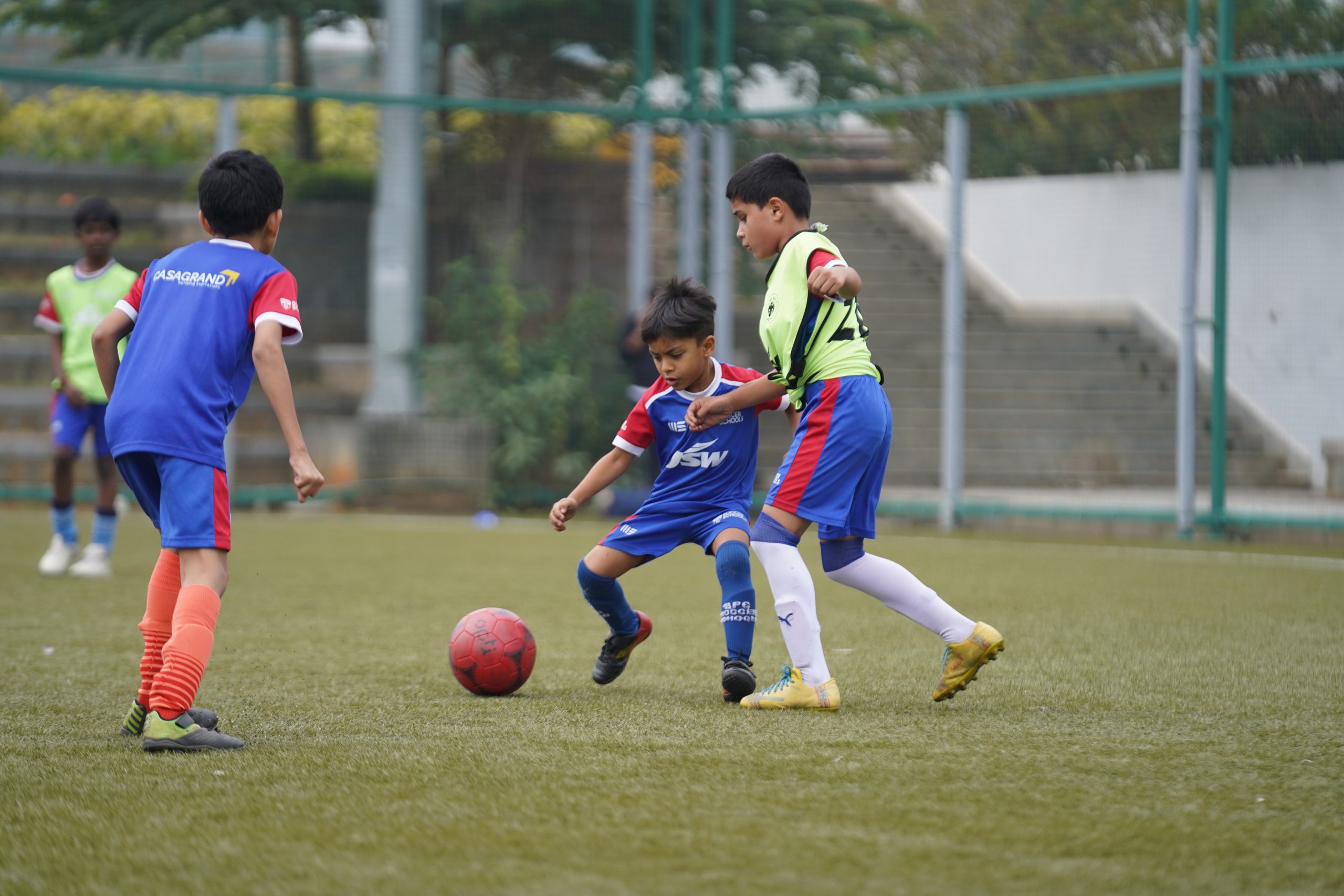
At our football coaching in Bengaluru, our coaches focus on how players prepare and receive the ball from day one, and reinforce it in every session. Within a few weeks, players stop reacting late and start preparing early, which shows in their first touch and overall confidence on the ball. If you want your child to build these habits under a licensed coach, book a free trial session at BFC Soccer Schools today.
How Parents Can Help Their Child Improve Their Ball Receiving Habits at Home
Here’s how parents can help their child get better at receiving the ball at home:
- Practice the wall drill: Have your child pass against a wall and take a quick look sideways before each receive. Start slow and gradually build up the pace of the pass. The goal is to get the glance in before every receive, so players never receive the ball without knowing what to do next
- Let your child figure it out: If your child is practising in the garden and the touch keeps going wrong, resist the urge to jump in and fix it. Ask them what they think went wrong instead. Getting them to diagnose the problem themselves builds awareness faster than being told the answer.
- Praise the process: After a session, if your child controlled the ball well and then lost it, talk about the control first. Noticing what they did right before what went wrong keeps them thinking about the process rather than the outcome.
- Watch games together: When your child watches a game on TV, point out when players glance around before the ball arrives. Ask them, “Did you see that?” It’s a small thing. But once they start noticing it in other players, they start doing it themselves.
If you’ve noticed your child is scared of making mistakes during football training, working on these habits at home can help. A player who knows what they’re going to do before the ball arrives is a player who feels in control.
The Takeaway
Here is what most people get wrong about receiving the ball. They think it is a technical problem.
- The receiving foot is wrong
- The stance is all wrong
- Touch goes the wrong direction
But technique is rarely the issue. The issue is that the player had no plan when the ball arrived. A player who has already prepared before the ball arrives will receive it cleanly almost every time. The good news is that any player can learn this, regardless of their level.
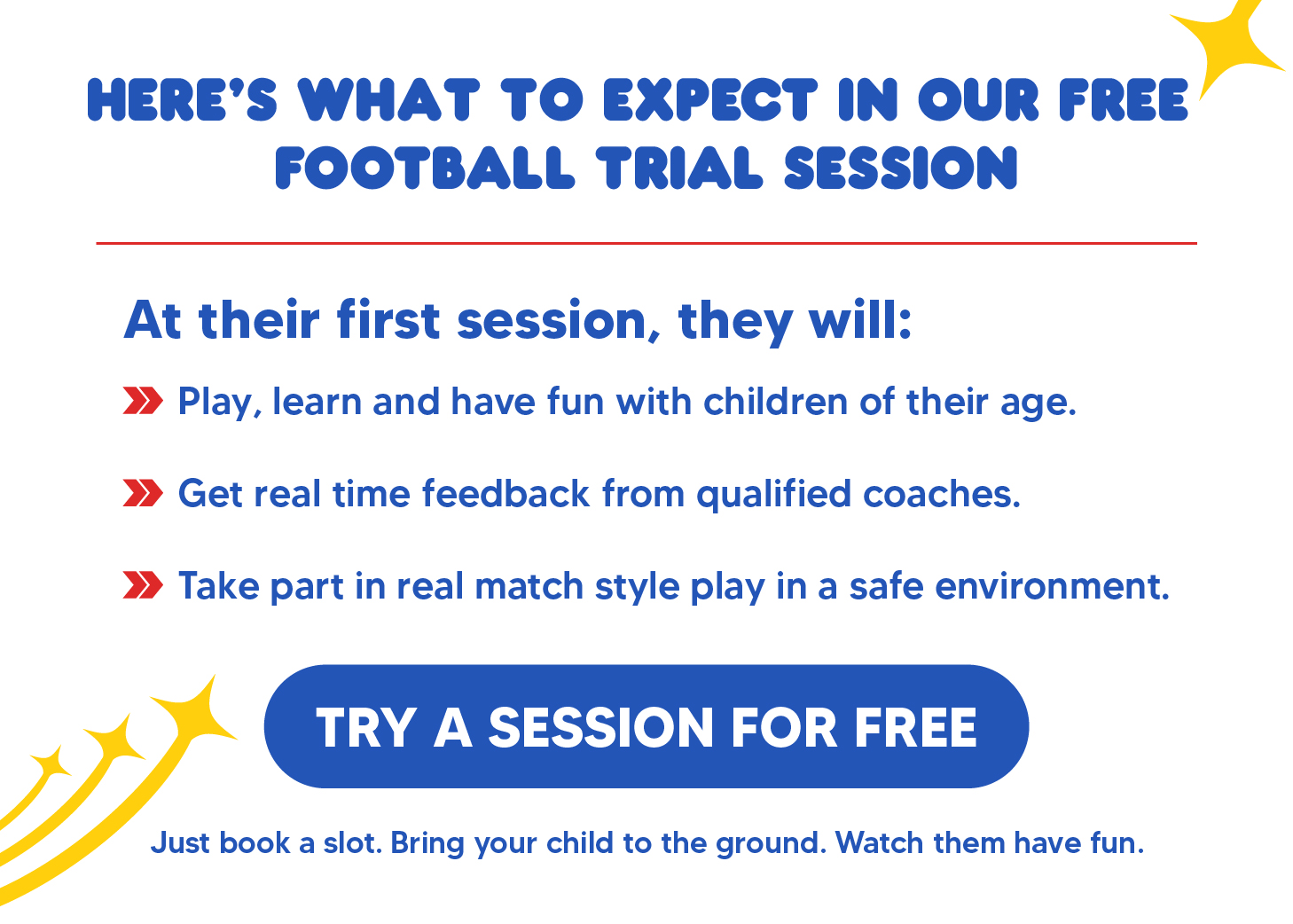
At BFC Soccer Schools, one of the best football academies in India, this is exactly what our coaches work on with players at every level. Players are taught to prepare before the ball arrives, and that habit is reinforced in every single session until it becomes automatic. Want your child to build this habit the right way? Book a free trial session and see how our coaches work on it firsthand.
Frequently Asked Questions
At what age should players start learning ball receiving skills?
Players can start as early as 5 to 6, but real understanding improves with guided coaching and consistent practice as they grow.
How can I help my child improve their first touch at home?
You can help them improve their first touch at home by focusing on simple habits like wall passes, scanning before receiving, keeping the touch soft, and allowing repetition without constant correction.
Does learning to receive the ball improve overall confidence?
Yes, it improves confidence because the player feels in control when the ball arrives and knows what to do next.
Recent Posts
01/04/2026
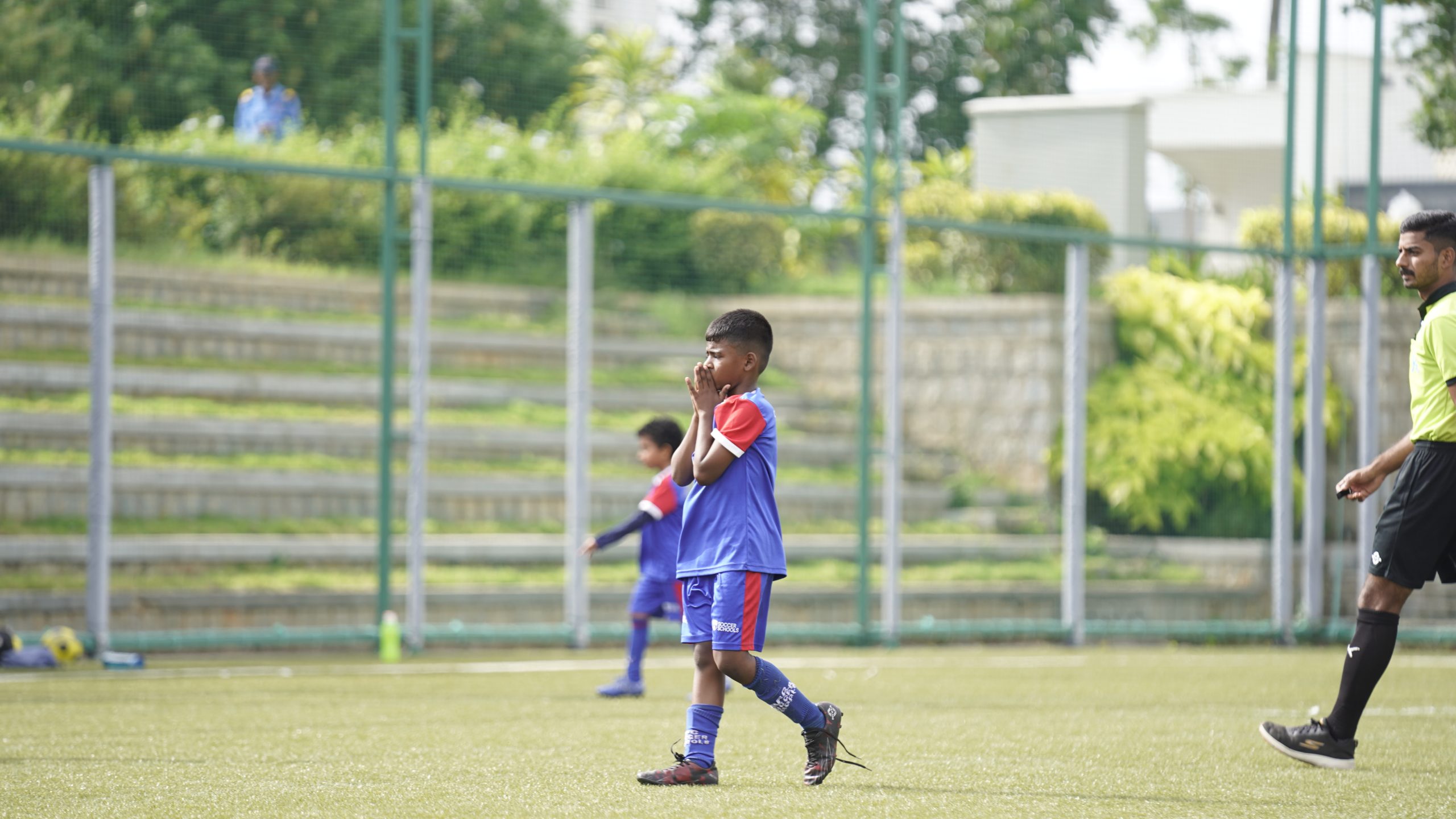
Fear of Tackling in Football: Why It Happens and How to Fix It
26/03/2026
Best Football Warm-Up & Cool-Down Exercises for Young Players
19/03/2026
Undertraining & Overtraining in Young Footballers: Finding the Right Balance
Testimonials




FOLLOW US


DOWNLOAD APP


QUICK LINKS
OFFICIAL KIT PARTNER

FOLLOW US
DOWNLOAD APP
GET IN TOUCH
ADDRESS:
Raheja Towers (East), 6th floor, # 26-26, M.G Road, Bangalore, Karnataka, India 560001
Call Us:
